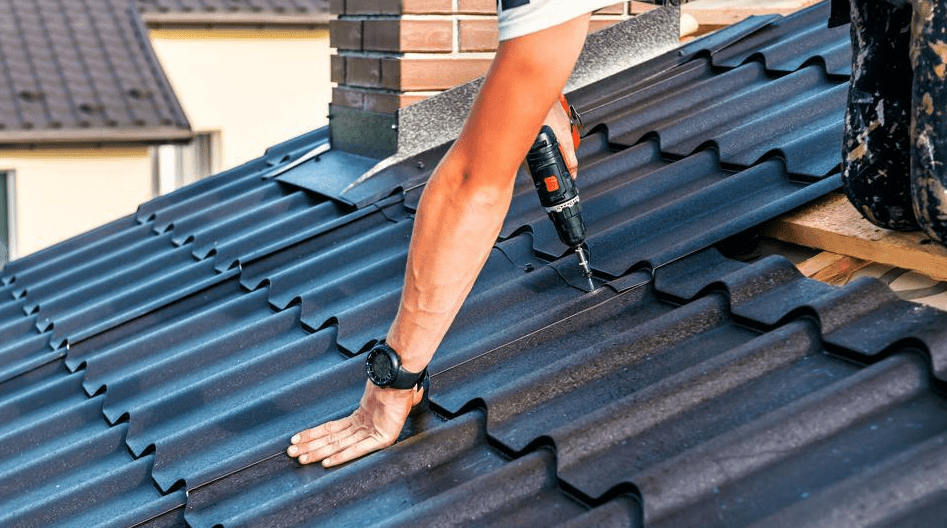
Your house or cabin needs a new roof or you probably wouldn’t be reading this just for fun.
Your next question is, can I install my own metal roof? If you have basic construction skills, use basic tools, and can climb a ladder, I certainly see no reason why you can’t install a metal roof.
You must be aware of material procurement, roof preparation, and installation techniques for metal roofs. Visit more here about this or similar topics.
- Let’s start with the roofing materials. You need to decide what type and style of metal roofing you want to use.
- Grand Rib 3-style roofs are one of the most common styles. It is a popular, low-cost, vertical-style metal plaque with clean traditional lines. The horizon or Alu Loc is another vertical-style metal plate used by many architects for custom home construction. Shingle-style metal roofing is another option. Metal clapboards resembling wood, tile, and slate are available.
Search the web for Grand Rib 3, Alu Loc, and Shingle Metal Roof for more information.
- When you’ve decided on the metal roof style that suits your home and ability. Next, you need to get a quote for roofing materials so you have a budget for your project.
Many companies on the internet offer a free online metal roof estimate. Most of these are just an estimate. What you really want is a metal roof analysis. The metal roof analysis includes a panel cut list, a drawing showing the panel layout, and a complete quote that includes cladding and fasteners.
To get a metal roof analysis; Make a simple drawing of your roof with dimensions. The drawing doesn’t have to be pretty, but it must include any ridge lines, ridge lines, valleys, transitions, dormers, porches, or anything else you think is important. Most metal roofing companies will accept a simple faxed drawing or a scanned drawing that you can email. Again, you don’t have to be a draftsman unless you like something like that.
Search Metal Roofing Analysis or Metal Roofing Online Estimate to find internet companies offering free metal roofing quotes.
- The next step is to assess your existing roof and decide if it needs repairs before installing your metal roof.
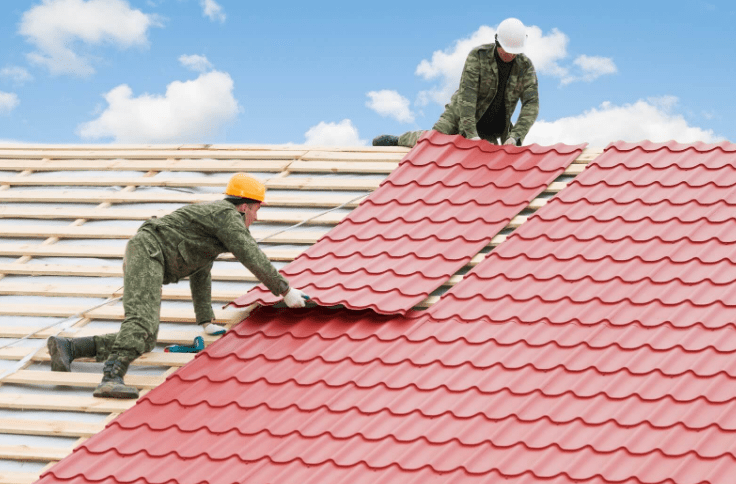
A metal roof can be installed over existing shingles as long as there is only one layer of shingles. Any shingles that are curled or loose must be removed before the metal is installed. Walk around your roof and test for soft or spongy spots. You may need to replace plywood or OSB if bad spots are found. Crawl into your attic and inspect the underside of the roof decking and truss for water and structural damage.
- When you have finished all the repairs, it’s time to prepare the roof surface for the metal roof. The metal roofing pad should be installed over the existing shingles to protect the new roofing from the sandpaper effect of the shingles. A synthetic metal roof pad is also an excellent choice for new construction or conversions. You can find sources for metal roofing pads online if you search for them. Install the underlay according to the instructions, paying particular attention to the number of nails needed to secure the underlay to your roof for the best results.
- Finally, you can install the metal roof you have chosen. Hopefully, by now you have studied the assembly instructions and looked at all the details that apply to your particular roof. Don’t rush, remember that it’s easier and cheaper to measure twice and cut once. If you don’t understand a section of the assembly instructions, contact your roofing supplier for advice and additional resources. A simple detailed drawing is often enough to understand a specific part of the installation. Don’t be afraid to ask questions, there are no stupid questions with DIY projects.
 Jennifer Calderon